The Money You Keep: Building a Seven-Figure Retirement Pot While You Still Own the Business

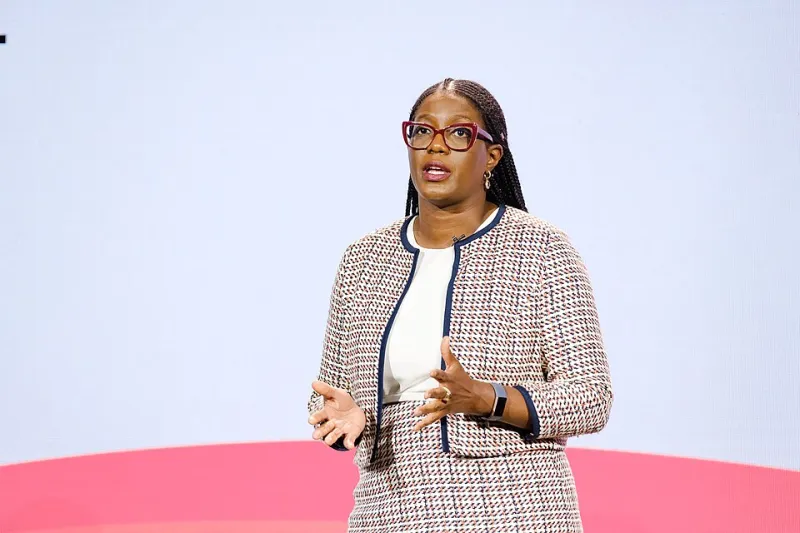
Photo: Custom Neon Images, CC BY 2.0, via Wikimedia Commons
The founder’s retirement plan usually has one line: sell the company. Maybe not this year, maybe not next, but eventually. That’s the story we tell ourselves. Build something brilliant, find a buyer, bank the cheque, ride into the sunset.
It’s a decent story. It’s also not the only one.
For plenty of UK owner-directors, the business isn’t a product to be sold. It’s the engine that funds a very comfortable life — and, if they’re disciplined, a seven-figure retirement pot they control the whole way through. No buyer. No earn-out. No six-month legal slog. Just a company pension doing quiet, unglamorous work in the background.
The sale isn’t the only door
There’s nothing wrong with an exit. If someone offers you a life-changing multiple, take the meeting. But treating a sale as the sole route to wealth creates a strange kind of pressure. You start shaping the business for a buyer who may never appear, rather than for the customers and team you already have.
A company pension offers a different path. You’re not waiting for a liquidity event. You’re using the profits you already generate to build a personal asset outside the business — one that doesn’t care whether the company is sold in 2028 or run by your kids in 2040.
Think of it as a silent co-founder. It doesn’t want equity, it doesn’t turn up to meetings, and it doesn’t ask for a title. It just needs funding.
How the maths actually works
For a limited company owner, pension contributions are one of the most tax-efficient ways to extract value. An employer contribution is generally deductible for corporation tax, and there’s normally no National Insurance to pay on it. The money then sits in a registered pension scheme, growing largely free of UK income tax and capital gains tax. You pay tax when you draw it, subject to the rules at the time.
That’s the engine. The fuel is consistency.
Let’s say a founder pays £45,000 a year in employer contributions for 14 years. That’s £630,000 in contributions before any investment growth. Add modest, long-term returns and a bit of carry-forward in strong years, and a seven-figure pot is not a fantasy. It’s arithmetic.
The standard annual allowance has been £60,000 since 2023, and unused allowances can often be carried forward from the previous three tax years. High earners need to watch tapering rules. But the principle is simple: a steady rhythm beats a heroic lump sum you never quite get round to making.
And unlike a sale, you don’t have to hand over the business to benefit.
Three founders, one quiet habit
Picture a Leeds branding studio with two directors. They started with £2,000 a month each into the company pension — modest enough not to squeeze cash flow. In a strong year, they added a £50,000 employer contribution. After 12 years, the pot is doing the heavy lifting that a sale was once supposed to do.
Then there’s a Glasgow software founder. He ignored pensions until he was 44, then went hard. £60,000 a year for 11 years, plus a £100,000 top-up after a particularly good contract. He still owns 100% of the company. The pension is now larger than most offers he’s had for the business.
And a Bristol consultancy owner who started at 42 with £30,000 a year, nudging it up as profits grew. No exit, no investor, no drama. Just a boring direct debit and an annual review. She’s on track for seven figures by her late fifties.
None of these are real people. They’re the patterns you see again and again. The details change. The habit doesn’t.
The mistakes that flatten the curve
First mistake: waiting for the perfect year. There’s always a reason to delay — a new hire, a cash-flow wobble, a laptop refresh. The pension becomes the thing you’ll sort out when everything else is sorted. Everything else is never sorted.
Second: confusing the pension with a rainy-day fund. Money in a pension is locked away until you reach the access age, which is rising over the next few years. Keep a proper cash buffer in the business and personally. Don’t stuff every spare pound into the pension and then panic when the boiler goes.
Third: defaulting to the most cautious fund on the list and forgetting about it. A 25-year horizon can carry more risk than a five-year one, but the right mix depends on your plan. Review it annually. Boring is fine; asleep at the wheel isn’t.
Fourth: contribution without commercial logic. Employer contributions need to be justifiable for the company. A good adviser will help you set a defensible policy and document it properly. This isn’t about being clever with HMRC. It’s about being sensible.
A simple rhythm for 2026
Start with a number you can commit to every month, not a number that sounds impressive in a spreadsheet. Align it with profit. Use carry-forward when a good year lands. Review the investment strategy once a year, ideally when you review your own salary and dividends.
And keep the business and personal plans separate. The company pension is a wealth-building tool, not a business expense to be raided. If you need the cash for growth, fund growth. If you don’t, fund the pot.
The exit you don’t have to take
A sale can be brilliant. It can also be a distraction from the quieter work of keeping what you make. A seven-figure pension doesn’t make the headlines, doesn’t come with a press release, and won’t get you on a podcast. It just gives you options.
Options to sell. Options to keep going. Options to hand the business to your team or your family without needing the proceeds to fund your retirement.
That’s the real win. Not the exit itself — the freedom to choose.
This is general information, not regulated financial advice. Pension rules and tax treatment depend on your circumstances, so speak to a qualified UK adviser before making decisions.